
Hong Kong has long been recognized for its iconic and varied skyline, which defines the city’s identity. But beyond its verticality, the city is now witnessing a resurgence of another architectural typology: the “wall.” Historically, the infamous Kowloon Walled City was the first and most extreme example of this urban form, dense, impenetrable, and chaotic. In modern times, developments such as those in the Tai Kok Tsui area have also faced criticism for creating similar “wall effect” structures that block views and air circulation, resulting in undesirable urban environments.
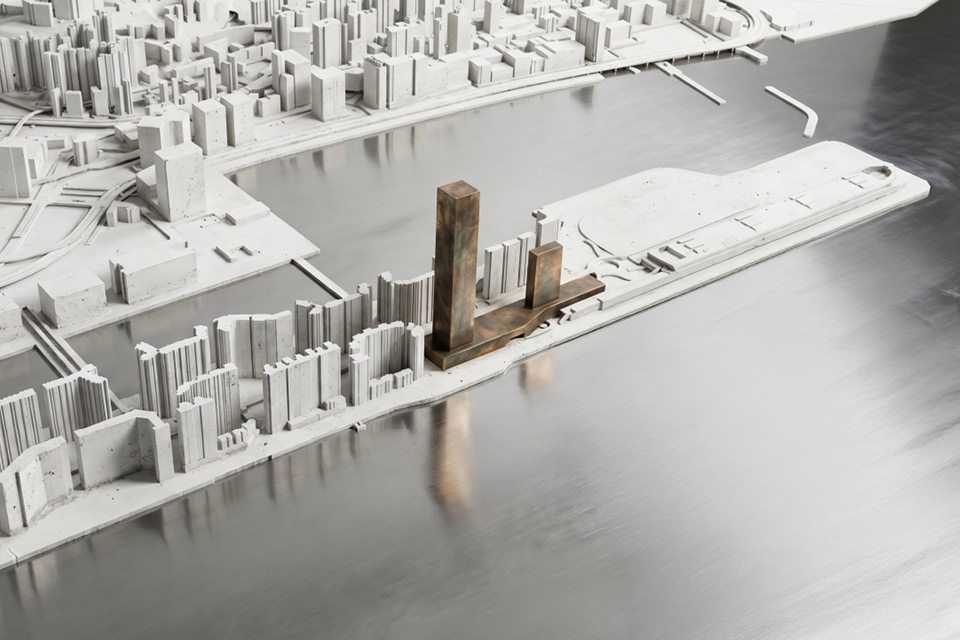
A striking, more recent example lies along the Kai Tak Runway, where constraints on this prominent site have led to the creation of two parallel walls, an outcome that feels like a missed opportunity for the area. From both Kowloon and the waterfront, oblique views of Victoria Harbour are increasingly obstructed, a regrettable loss for residents and visitors alike. Is it not time to break this wall? There is a compelling case for the remaining sites to embrace a different strategy, one that celebrates Hong Kong’s architectural character through varied, vertical tower forms.
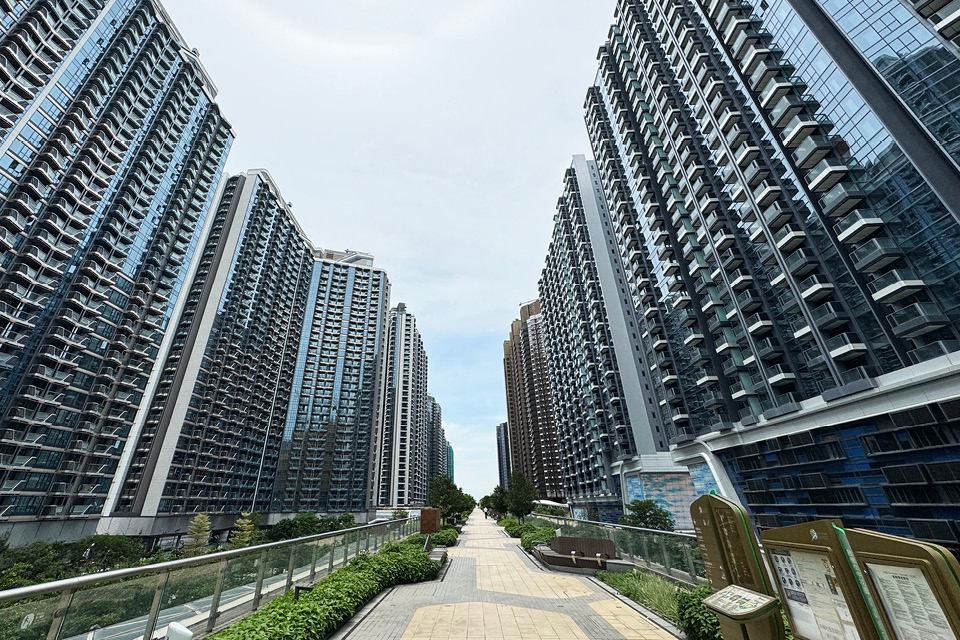
The Kai Tak Runway area, capable of accommodating 30,000 to 40,000 residents, is not just an extension; it’s a mid-sized town in its own right. A town should be a vibrant, self-sustaining community with a civic square and public open spaces, leisure, kindergartens, dining, retail, and ideally, a major attraction.
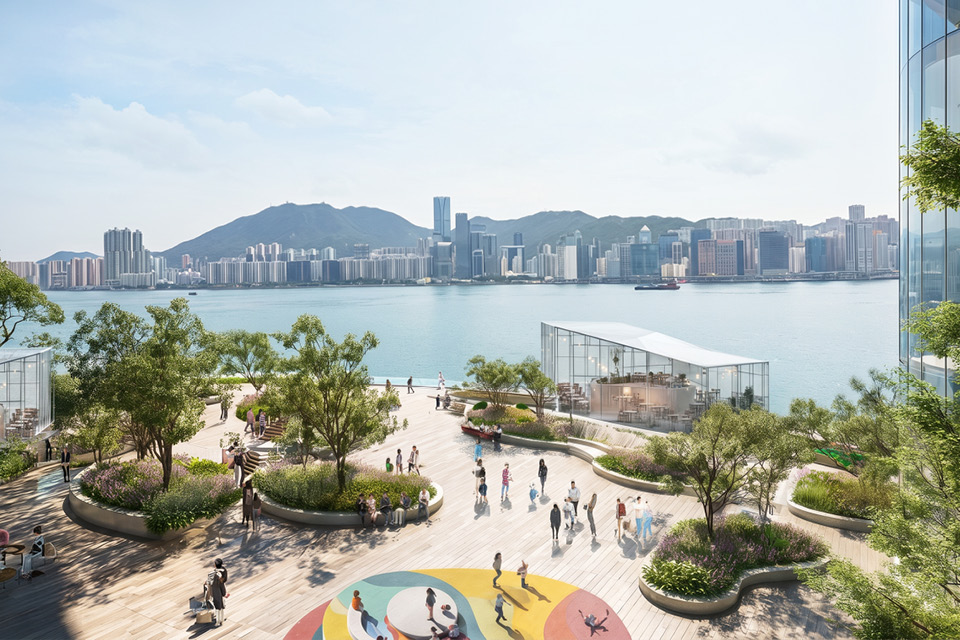
The sporadic usage of the Cruise Terminal and Kai Tak Arena is not enough to activate the area or generate the daily foot traffic needed for local life. A mixed-use, human-scale development would create a lively neighbourhood that serves residents and potentially attracts more cruise liners and visitors to Hong Kong.
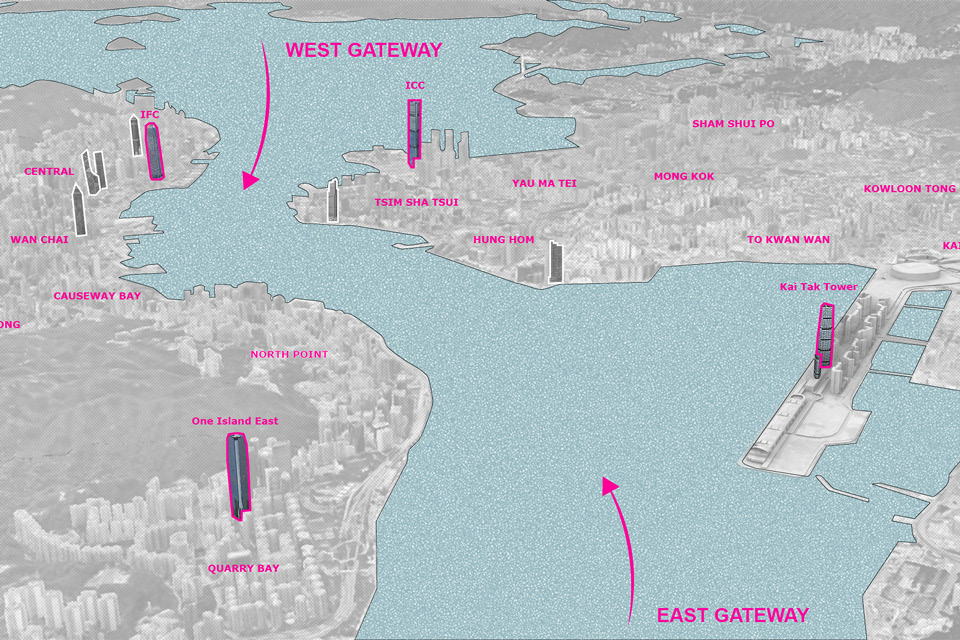
This tower development, serving as a modern “lighthouse” at the harbour’s edge, could become a new landmark, forming, together with One Island East, the eastern gateway to Victoria Harbour. With panoramic views, vibrant public spaces, and a design prioritizing people over density, it could become a destination in its own right.
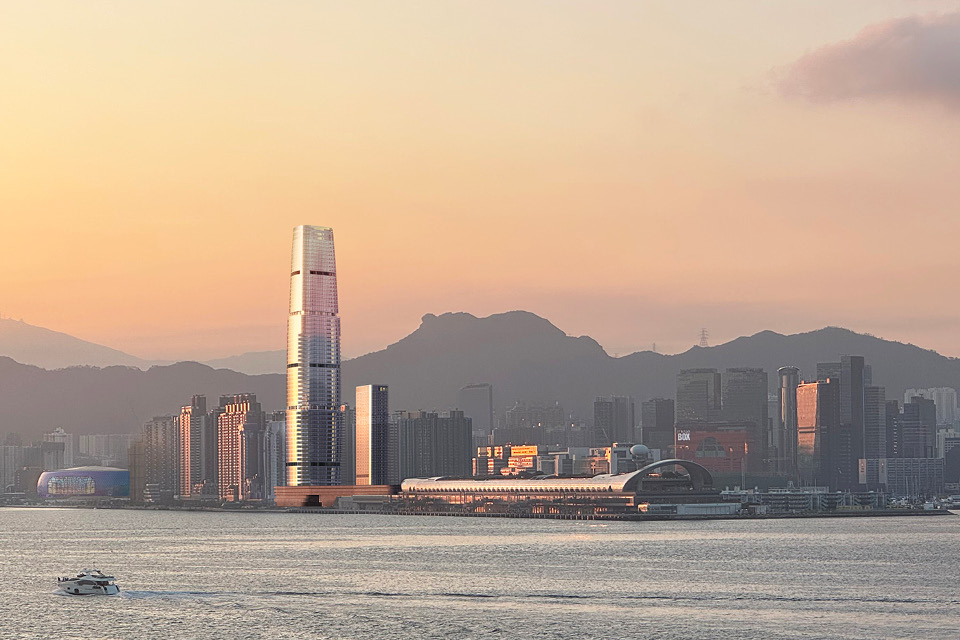
This is more than a planning issue; it’s an opportunity to redefine urban living at one of the city’s great waterfront sites, honour the legacy of the Kai Tak airport, and celebrate openness, community, and the reassertion of Hong Kong’s identity.